
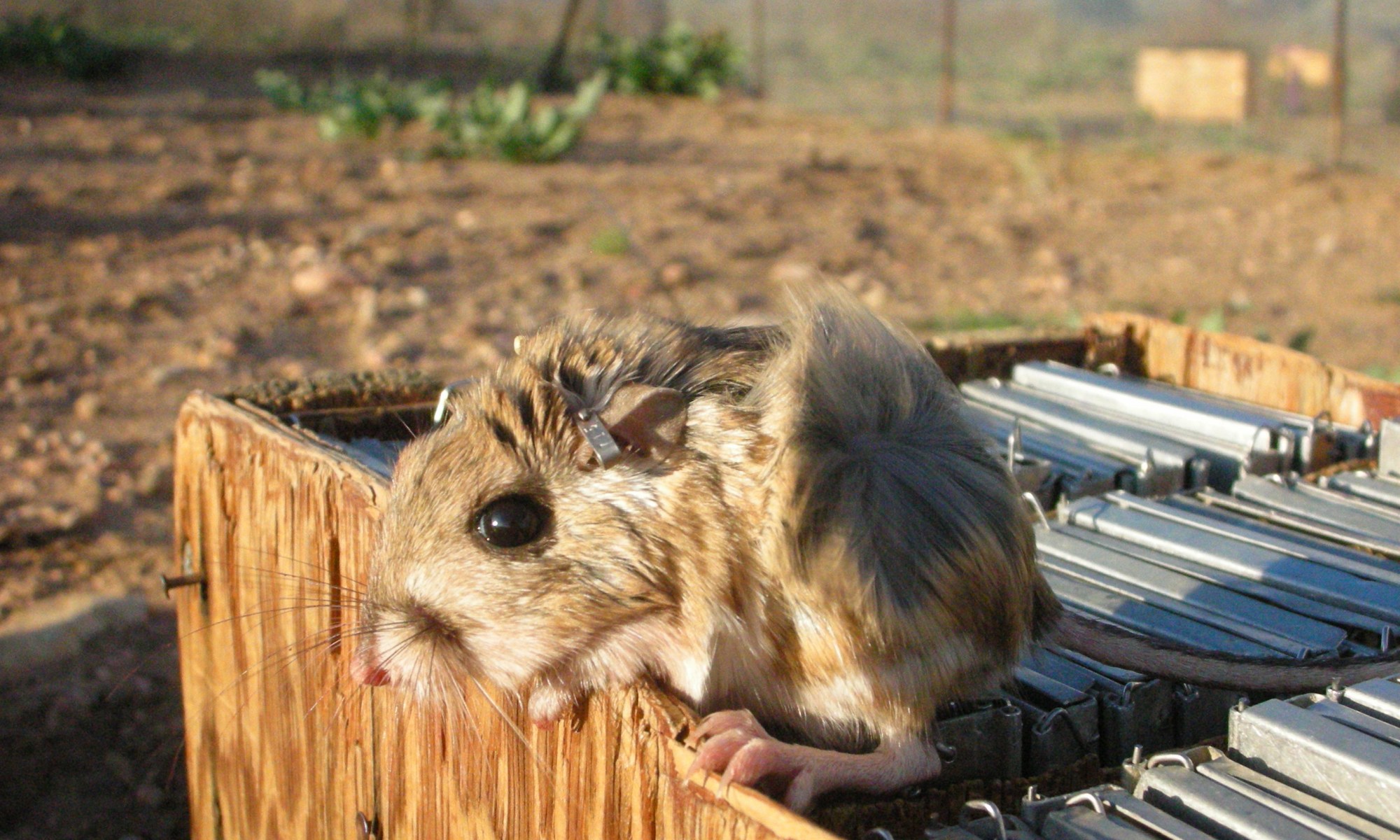
As an interdisciplinary scientist, my research falls into two main areas: (1) ecological research that investigates how systems change over time and (2) pedagogical research and networking communities that examine what we teach, curricular design, and how we can continue to build. (3) I also support student inquiry across many different topics in my role as an interdisciplinary faculty member.
(1) Understanding biological systems in a changing world. I am a broadly trained ecologist primarily interested in addressing questions that work across ecological boundaries. Traditionally, researchers have specialized in a single level of organization, studying physiology or community structure, for example. But in our changing world, approaches that combine insights from individuals to ecosystems are critical to providing the information that we need to understand the mechanisms that explain biodiversity, to identify the dynamics that drive change at the community and ecosystem level, and to predict how biological systems will respond in the future.
(2) Improving data science education in a changing world. I also conduct research and community building into the growing new discipline of data science. I am most interested in fostering community spaces where educators can grapple with the ever-changing landscape of technology, statistics, and computation and the increasing urgency with which it needs to be addressed and including in our disciplinary and interdisciplinary curricula. Through these communities, we also work on several collaborative projects where we conduct peer-reviewed research on the current landscape of data science in undergraduate education, including curricular scaffolding and design.
(3) Supporting student curiosity and building independence. In addition to my own research, I often mentor students in senior thesis independent research projects of their own choosing, outside of course requirements. These projects sometimes are in my expertise area of ecological science, and sometimes collaborate with mentoring faculty from other disciplines. Past examples include projects related to Ohio conservation and field studies, local affordable housing using public datasets, international students and local economics, and estimating soil organic carbon in agricultural regions.
To take a look at some of our past and active research projects, check out GitHub!
If you’re a student and are not sure what an undergraduate research experience might be like (benefits and challenges), please come talk with me. This recent paper might also provide a good introduction: You are welcome here.
Global Biodiversity Change


Biodiversity measurement is multifaceted and complex, and determining rates or causes of change, or how to prioritize locations for conservation is not always straightforward. My work uses a macroecological lens to investigate biodiversity change at different spatial and temporal scales, from field sites to planet-wide. It’s an exciting time to be a biodiversity researcher, as new data aggregations and computational tools allow us to take new approaches to understanding dynamic change!
My recent NSF EAGER builds on this work by using long-term ecological research experiments to test mechanistic hypotheses for species incidence at the Konza Prairie long-term ecological research site, which experimentally manipulates grazing treatment and fire frequency. In other words, what can we learn from the pattern of species popping in and out of systems over many years, and their overall persistence through time? Are these such patterns predictable, based on disturbance regime, life history traits, or other factors? This project has included a masters-level data analyst and multiple undergraduate student researchers.
Population Movement

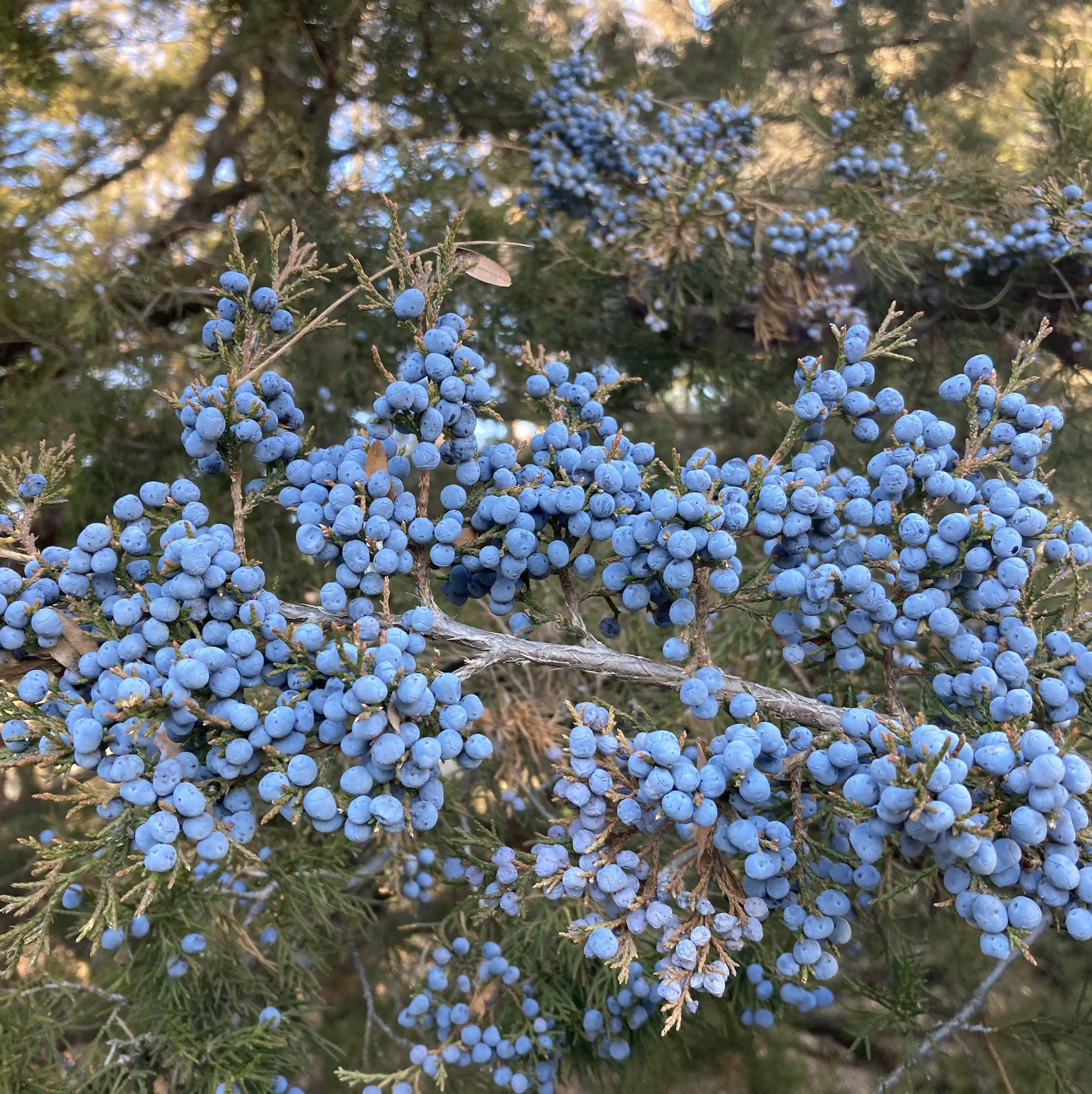
Population movement is an important aspect of migrating species annual life cycles, and often underlies changing biodiversity dynamics at sites, as species move in and out of a location through migration, range, shifts, and source-sink dynamics. I use macroecological approaches to evaluate population migration, changing diversity across space and time, and core-transient species dynamics.
My current work in this area is funded as part of a multi-institution collaborative NSF grant to investigate the range expansion of a native tree, Eastern Red Cedar, 2019-2022 (collaborators located at Denison University, Kent State University, Holden Arboretum, and the Ohio State University). My group’s work at Denison focused on the potential impact of seed dispersing bird species on the tree’s geographic spread. We used millions of records from eBird, 2008-2024, to track migration timing and speed, winter movement, aggregation patterns, and their potential change through time, as well as species overlap. Several undergraduate research assistants at Denison have contributed work, including 1 fully funded summer research student.
Increasing and Improving Data Education

I get to work in data education every day in my role in Dension’s Data Analytics Program. But other fields, including my “home” field of Biology are also facing increasing pressures and challenges to incorporate interdisciplinary skills into already packed curricula for undergraduate students. Data science skills are recognized as essential to work across the biological sciences, and training and institutional support is needed for instructors to stay “up to speed”.
Much of this work is explored in my own teaching at Denison University, but is also supported more broadly through our NSF-funded Research Coordination Network, the Biological and Environmental Data Education network (BEDE Network; 2018-2021, and 2021-2026). I am one of five co-PIs that lead the network, which aims to increase data science education within undergraduate biology courses, primarily through supporting instructor training and pedagogy.
I am also leading a new national network, with co-organizers Valerie Barr (Bard College), Joshua Davidson (Oberlin College), and Matthew Lavin (Denison University): Data Science at Liberal Arts Colleges (DSLAC). We facilitate networking, conversations, and projects among liberal arts educators who are teaching in, or creating, new Data Science and Data Analytics programs. The network grows from an original workshop organized by Deepak Kumar (Bryn Mawr), with the same name, which was funded through the Alliance to Advance Liberal Arts Colleges (AALAC).
Data and software
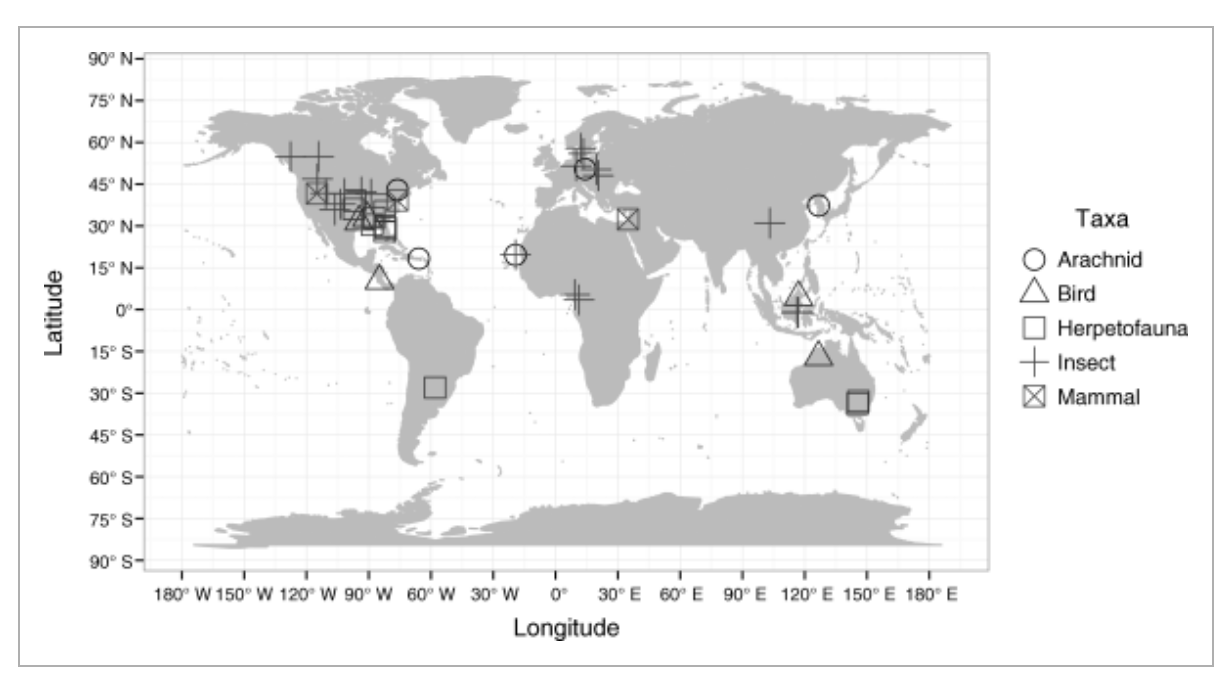
Data, software tools, integrative approaches and synthesis are needed to make general predictions across broad taxonomic groups and biogeographic regions. I’ve been part of publishing several large aggregate datasets, designing better data collection and management workflows, and teaching programming and data analysis skills to other scientists, at all levels. Our research code is all archived on GitHub and Zenodo. I volunteer with The Carpentries and co-lead the BEDE Network and the DSLAC Network.
Field Studies
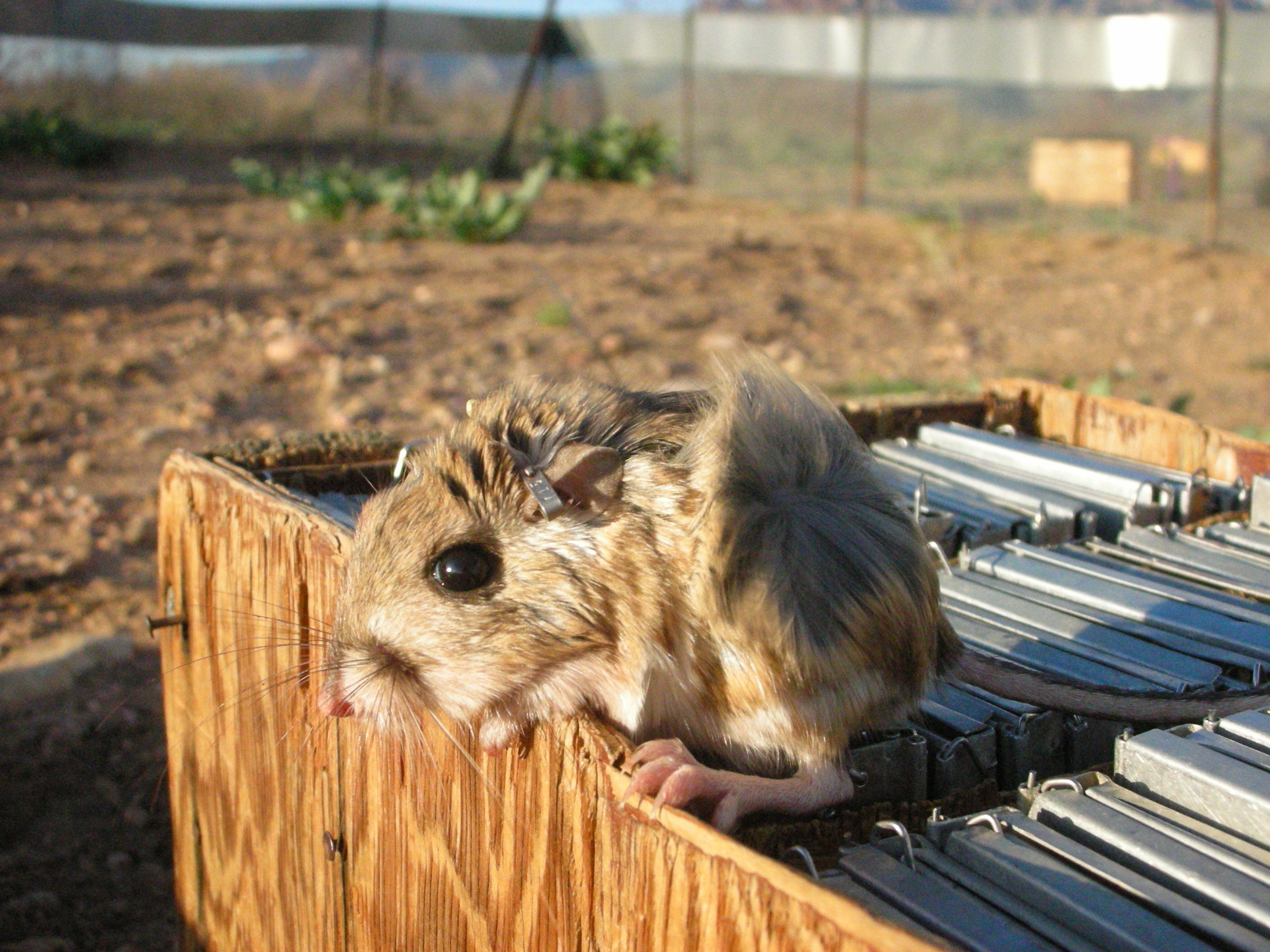
While I’ve stepped away from field work in recent years, my roots are in hands-on data collection, and I hope to get back to work at a local Ohio site someday soon. I spent much of my graduate work on the Portal Project, a long-term experiment collecting data on small mammal, plant and ant communities. For my postdoc with Catherine Graham, I spent a month in the Chiricahua Mountains surveying migrating hummingbirds, flower communities, and estimating nectar quality and abundance.
Research Announcements
New DURF award!
Matthew Lavin (Denison, Data Analytics Program) and I have been awarded a Denison University Research Foundation award to support development of the Data Science at Liberal Arts Colleges (DSLAC) Network in preparation to host an in-person meeting on campus in October 2026. Stay tuned for updates, and a link to a website explaining more about DSLAC, new projects, and how to join our ongoing Community Calls!
New NSF grant!
I have received National Science Foundation (NSF EAGER) funding for a new project investigating the role of species persistence in community response to ecological disturbance, comparing pulse and press disturbance types (2022-2024; extended through 2026). The project hired a 1-year data analyst to lead data cleaning and code development during Year 1 of the project, and 2 undergraduate students at Dension have also contributed to the work as research assistants. We are using long-term data from the Konza Prairie LTER network across multiple taxa and disturbance experiments to test hypotheses stemming from a new framework for species incidence trends. Stay tuned for more updates!
 Sarah R. Supp